
Let's talk Food Cost $$$$
Share
Food cost
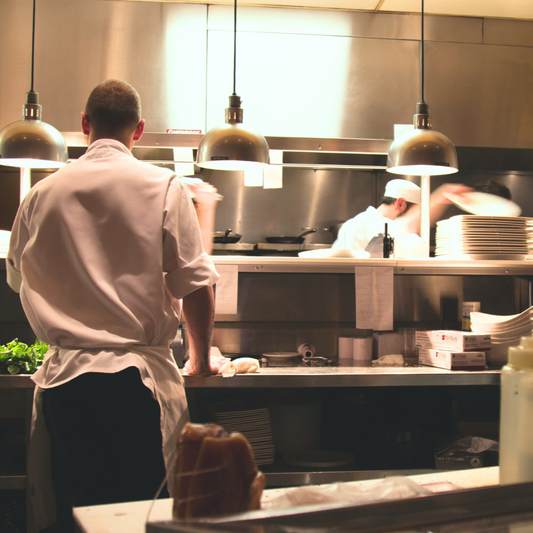
As a cook’s career progresses, they start to move up into positions such as Chef de partie, Sous chef and Chef de Cuisine. As they move into these more senior positions, their work shifts from not just hands-on cooking, but into kitchen management. One of the most important concepts of kitchen management is that the kitchen is there to make money. Food, wages and everything else must be paid for, and then the venue has to make a profit. The chef is a big part of the management team responsible for that profit. The chef is responsible for the ‘Food Cost’ and the ‘Labour Cost’ of the kitchen, today we are looking at Food Cost.
Food cost is a balance for the chef, low food costs lead to higher profits, and that is good, but if a chef takes that low food cost aim too far, the quality of the food will go down, and you are probably losing customers because the food is not as good as it should be, which is bad.
Food cost can be looked at from 2 points of view:
- The total cost of ingredients that are used to make each specific dish
- The total cost of ingredients that the whole kitchen uses
Dish Food Cost
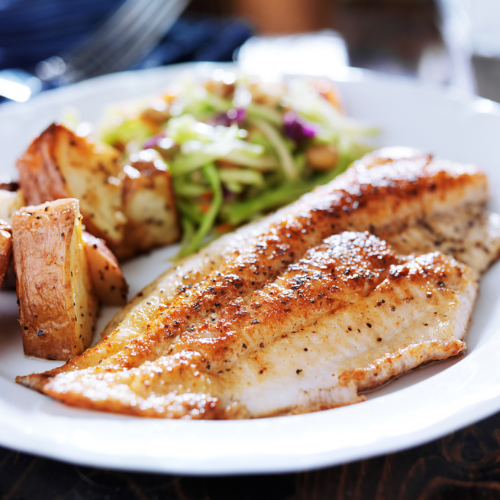
The food cost of a dish is the cost of all food ingredients that are used to make that dish.
- Meat, fish, poultry
- Vegetables and fruit
- Spices and herbs
- Sauces and stocks
- Garnishes
- Oil, butter, and other cooking fats
If it goes into the dish, it counts toward food cost.
This can be expressed as a dollar amount or as a percentage of the menu price. If a dish costs $6 in ingredients and has a menu price of $24. Then that dish has a 25% food cost.
Food cost ÷ Menu Price x 100 = Food cost % for that dish
Kitchen food cost
The food cost of a kitchen is the cost of all the food that the kitchen has used (purchases and existing stock) in a set period of time, such as a week or a month. This can be expressed as a dollar amount or as a percentage of food sales in the same period. If a kitchen spent $40 000 on food in July and had $100 000 in food sales, then that would give the kitchen a 40% food cost.
Food cost ÷ Food sales x 100 = Food cost % for the kitchen
What affects food cost?
- The prices paid to suppliers
- Inconsistent portioning
- Spoilage and waste
- Incorrect storage leading to waste
- Burnt or wasted food
- Poor cutting of food
- Theft or misuse of ingredients
A good chef keeps waste low and portions consistent. This protects the restaurant’s profit and shows management that you are reliable and skilled.
A chef’s job
Chefs who understand food cost are more valuable. Because they help the business stay profitable.
Kitchen managers, sous chefs, and head chefs are expected to:
- Calculate food cost
- Write menus
- Order stock
- Control waste
- Train staff on portioning
- Keep the kitchen within budget
If a cook or chef wants to move up in their career, mastering food cost is essential.